Rubber track production involves more than forming rubber around a reinforcement structure. Material handling, molding, curing, demolding, and transfer must work in the correct sequence. When these stages are planned separately, manufacturers may face mismatched cycle times, extra manual handling, and difficult line coordination.
For B2B buyers, rubber track solutions are therefore being evaluated at line level rather than machine level. Turnkey design connects equipment layout, process flow, automation, and control logic before installation. This can reduce avoidable integration work after equipment arrives.
Why Integration Is Moving Up the Project Agenda
A rubber track line contains several stages with direct dependencies. One station cannot simply run faster if the next station cannot receive or process the part at the same pace. Production planning must consider how materials and semi-finished tracks move between steps.
Turnkey design addresses these links during project planning. Engineers can review track type, production sequence, space, handling method, curing arrangement, and operating responsibilities as one system. This creates a clearer basis for selecting equipment and defining interfaces.
The point is not to give every factory the same configuration. Construction, agricultural, military, and snowmobile tracks may require different arrangements. The line should reflect the target product instead of following a generic layout.
Where Line Design Affects Daily Production
Daily workload is strongly affected by movement between processes. Heavy products require suitable handling, while repeated loading and unloading can add labor and delays. Poor station layout can also make operators spend unnecessary time moving products.
This is why injection molding for rubber track should be considered together with handling and demolding. If molding equipment is selected without reviewing upstream and downstream operations, later automation may be harder to integrate. A coordinated line keeps these steps within one production sequence.
Process control also becomes easier to organize when equipment is designed as part of one line. Monitoring points, operating status, and shutdown logic can be defined during engineering instead of being added separately after commissioning.
Automation Must Follow the Manufacturing Sequence
High automation is useful only when it supports the real process. Buyers should first map material input, forming, curing, demolding, product removal, and transfer, then decide where automation has practical value.
Smart monitoring follows the same principle. Data should help operators understand line status and process changes. Useful monitoring supports production decisions rather than being added only because digital functions are available.
Curing also needs coordinated control because it affects the production cycle. Functions such as curing-related shutdown control should fit the operating logic of the complete line. Planning automation, monitoring, and curing control together gives the production team a more consistent framework.
Equipment Fit Starts with the Track Application
Different track applications place different demands on the line. Agricultural and construction tracks may differ in size, structure, handling needs, and production volume. Military and snowmobile applications can introduce other project requirements. Equipment selection should begin with these product conditions.
Buyers comparing rubber track solutions should therefore provide clear product information before discussing line configuration. Track dimensions, target application, expected output, factory space, and desired automation level all influence the engineering direction.
The same principle applies to injection molding for rubber track. The molding stage cannot be separated from product structure and downstream operations. Machine configuration, handling arrangements, demolding, and process control need to support the track that will actually be produced.
How an Integrated Line Can Be Structured
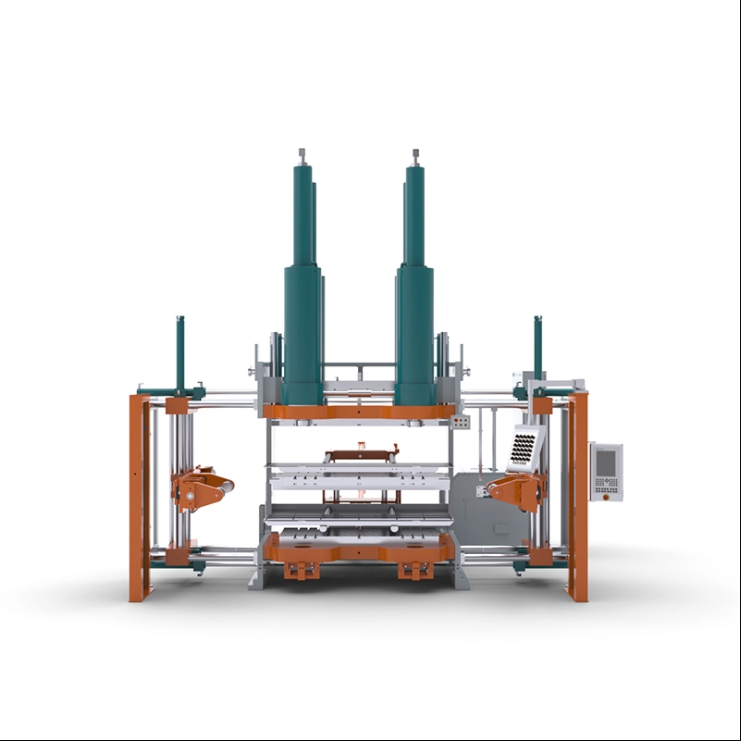
The Rubber Track Production Line from Dekuma provides one example. It is designed for construction, agricultural, military, and snowmobile tracks. The line integrates automated handling, demolding, and process control rather than treating these functions as separate additions.
Its production concept highlights high automation, smart monitoring, curing shutdown control, and continuous iteration. These functions matter in turnkey planning because they influence how operators manage the complete line, not just one molding step.
The line is intended for manufacturers that need coordinated production equipment rather than a standalone machine. In a turnkey project, they can connect equipment planning with the intended process flow, while buyers still need to define their product and production requirements before configuration.
What Buyers Should Define Before Project Launch
A useful turnkey discussion should start with the product, not a machine catalogue. Buyers can prepare track drawings, production targets, automation expectations, factory layout limits, material flow, staffing plans, and the intended relationship between molding and handling.
Technical discussions should also cover equipment interfaces. Power, utilities, control signals, transfer points, operator access, maintenance space, and safety zones affect how separate units work as one line. Reviewing these details early can reduce layout changes during installation.
Room for process refinement also matters. Production experience can reveal better handling sequences or control settings. A line built around clear interfaces is generally easier to adjust than equipment assembled without an overall integration plan.
From Separate Machines to a Coordinated Line
Turnkey design is becoming a higher priority because rubber track manufacturing depends on coordination between multiple stages. The goal is not simply to automate more tasks. It is to connect molding, handling, demolding, curing control, and monitoring around a defined production flow.
For companies assessing rubber track solutions or planning injection molding for rubber track, early line-level planning can make equipment discussions more practical. Clear product data and process requirements give suppliers a stronger basis for configuring equipment around the factory’s actual manufacturing needs.