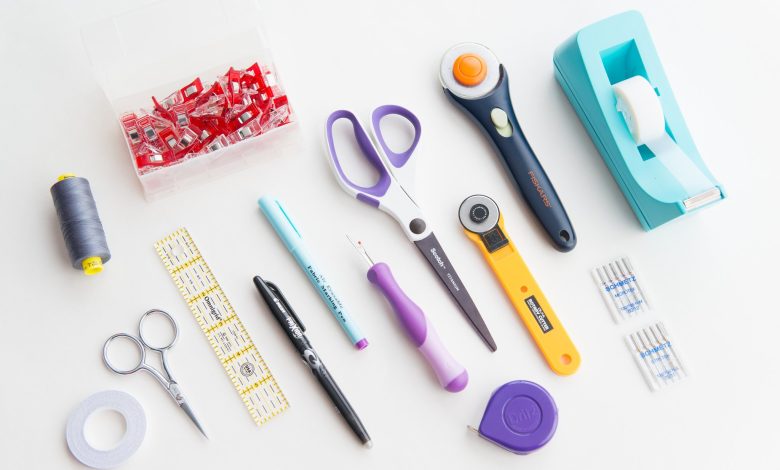
At a Glance
Your sewing business relies on more than machines and skilled hands to keep orders moving. Everyday essentials, from thread and needles to elastic and zips, can make the difference between a smooth working day and unnecessary delays. By organising supplies, monitoring stock and buying thoughtfully, you protect productivity, maintain quality and keep customers happy.
Keep the Everyday Work Moving
When you run a sewing business, the biggest jobs naturally get most of your attention. A rush order, a new collection or a customer fitting can shape your week, while the small supplies behind each task are easy to overlook. Yet a missing zip, empty bobbin or unsuitable needle can interrupt your work just as quickly as a major equipment problem.
These essentials rarely seem important until you run short. If you cannot finish a garment because the right thread or fastening is missing, you lose time searching for replacements and rearranging work. Keeping everyday supplies organised is therefore part of running a reliable, profitable business.
Make Everyday Sewing Supplies Easier to Manage
Buying wholesale haberdashery is a practical way to keep frequently used essentials in stock without placing repeated small orders. Thread, zips, elastic, needles and fastenings may each seem inexpensive, but the cost and time involved in sourcing them separately can add up.
Start by identifying what you need most of the time. Your regular requirements will depend on whether you alter clothing, create made-to-measure pieces, produce accessories or handle larger sewing runs. Stocking dependable basics in sensible quantities helps you avoid last-minute searches when deadlines are tight.
Buying in bulk does not mean filling every shelf with supplies you might never use. It means identifying the items that support your usual workload, then choosing quantities that suit your storage space and budget.
Match Supplies to the Work You Do
Not every sewing business needs the same stock. A dressmaker working with delicate fabrics may need fine needles, lightweight thread and discreet fastenings, while an alterations service might need a broader range of zips, buttons and general-purpose thread.
Review the jobs you complete most frequently and note which supplies they require. If you regularly repair denim, stronger needles and suitable thread are essential. If you create occasionwear, specialist fastenings and carefully matched colours might matter more. This review helps you avoid buying supplies just because they are available at attractive prices. You can prioritise what your work genuinely needs, keep specialist items in sensible quantities and reduce the risk of money sitting unused in stock.
Know What You Have Before You Run Out
Running out of a small item can disrupt your entire schedule, especially when several orders are moving through your workspace. Waiting until your final spool or last zip is gone leaves little room for supplier delays or unexpected demand.
Set aside time to check your most-used supplies regularly and set a minimum stock level for each. When an item reaches that point, add it to your next order instead of relying on memory during a busy day. A simple spreadsheet or stock list is enough for this.
It also helps to store similar items together and label drawers, boxes and containers. When you can see what is available at a glance, you spend less time searching and are less likely to buy duplicates.
Choose Quality That Protects Your Reputation
Small supplies affect your finished work more than you might expect. Threads that break, a zip that catches or a button that loosens can turn a carefully made garment into a frustrating experience for your customer.
You do not necessarily need the most expensive option for every task. Instead, choose supplies suited to the fabric, garment and expected wear. Test unfamiliar products before using them on important orders, especially when durability and appearance matter. Consistency is valuable, as keeping reliable versions of everyday essentials makes it easier to achieve similar results across multiple jobs. When a product performs well, record its specifications so you can reorder it confidently.
Prepare for Busy Periods and Special Orders
Your usual stock levels work during quieter months but are inadequate when seasonal demand rises. School uniform repairs, occasionwear alterations and larger production runs increase your use of thread, fastenings and other essentials.
Look ahead at confirmed bookings and anticipated busy periods, then compare your upcoming workload with the supplies you already have. Ordering early gives you more choice and reduces the risk of paying extra for urgent replacements or turning down work orders.
However, avoid ordering too far ahead without considering demand. Unusual colours and specialist fastenings can tie up money and storage space when left unused. Let your actual workload guide purchasing decisions, keeping a modest buffer for frequently used items.
Give Small Supplies the Attention They Deserve
A successful sewing business does not necessarily need the largest stockroom. It needs a clear understanding of what gets used, where supplies are stored and when replacements should be ordered.
You can establish these habits without complicated systems. Review your essentials, organise storage, monitor stock levels and check whether your regular purchases deliver the finish your customers expect. These straightforward steps protect your time and maintain standards.
To Sum Up
Your sewing business depends on more than machines, technical skills and completed garments. The everyday supplies behind each seam, repair and fastening help you keep orders moving and maintain the quality your customers expect.
By tracking usage, choosing suitable products and planning purchases around your workload, you prevent avoidable interruptions without tying up money in unnecessary stock. Give these small essentials the attention they deserve, and they can quietly support a more organised, dependable everyday business.