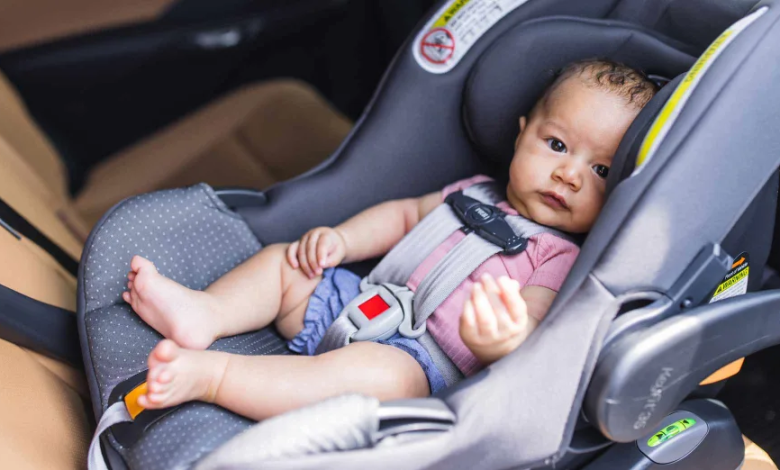
For many new parents, the first few car rides with a baby feel like a mix of excitement, worry, and careful planning. A simple trip to the doctor, a short visit to grandparents, or even a quick drive to the supermarket can suddenly feel like a major family event. There is the diaper bag to pack, the feeding schedule to consider, the weather to check, and, most importantly, the need to make sure your baby feels safe and comfortable from the moment the car door closes.
The good news is that calmer car rides do not come from perfection. They come from small, thoughtful routines repeated with patience. When parents prepare the car, the baby, and themselves in a gentle and consistent way, every journey can feel a little less stressful and a lot more secure.
Start Before You Leave the House
A safer and calmer ride often begins long before the engine starts. Babies are sensitive to the mood around them. When parents are rushing, searching for keys, packing at the last minute, or speaking in a tense voice, babies can feel that energy even if they do not understand the words.
Try preparing the essentials before your baby is ready to leave. Place the diaper bag near the door, check that bottles, wipes, extra clothes, and comfort items are packed, and give yourself a few extra minutes. Those few minutes can make a big difference. A calm parent creates a calmer environment, and that gentle start can help your baby settle more easily once inside the car.
Create a Safe and Comfortable Backseat Space
Your baby’s seating area should feel organized, clear, and secure. Avoid placing loose items near your baby, especially hard toys, water bottles, bags, or anything that could move around while the car is in motion. Soft comfort items may help, but they should never interfere with your baby’s seating position or safety setup.
Before each journey, take a moment to check that your baby’s sitting area is clean, shaded if needed, and free from anything uncomfortable. In warm weather, touch the seat surface, buckles, and nearby plastic parts to make sure they are not too hot. In cooler weather, avoid bulky clothing that may affect how securely your baby sits. Small details like these can prevent discomfort before it turns into tears.
For parents who want a deeper overview of age-appropriate travel safety, this baby car safety guide can be a helpful starting point when planning safer journeys with young children.
Build a Gentle Car Ride Routine
Babies and toddlers feel more secure when they can sense a familiar pattern. A simple routine before every ride can help your child understand what is happening next. For example, you might use the same calm phrase each time: “We’re going for a ride now,” or “You’re safe, and I’m right here.”
The words do not need to be complicated. What matters most is the tone. A soft, steady voice reassures your baby that the car is not a strange or frightening place. Over time, the repeated rhythm of getting ready, sitting down, hearing your voice, and beginning the ride can become familiar and comforting.
Time the Trip Around Your Baby’s Needs
A baby who is hungry, overtired, too warm, or overstimulated will naturally have a harder time staying calm in the car. When possible, plan your departure around your baby’s usual feeding and sleeping rhythm. Leaving ten minutes later so your baby can finish feeding or settle after a nap may lead to a smoother trip than forcing the schedule too tightly.
Of course, parents cannot control every situation. Appointments, traffic, and family plans do not always match a baby’s routine. But even when timing is not ideal, awareness helps. If you know your baby may become tired halfway through the ride, prepare a soft song, a familiar blanket, or a planned stop so you can respond gently instead of feeling surprised.
Keep the Car Environment Calm
The inside of a car can feel intense for a baby. There are changing lights, engine sounds, movement, temperature shifts, and unfamiliar smells. Keeping the environment simple can help. Avoid loud music, strong air-conditioning directly on the baby, or too many toys at once. Sometimes one familiar comfort item is better than five distractions.
If your baby becomes upset, try not to panic. A crying baby in the car can be stressful, especially when you are driving, but your calm response matters. If the crying continues or you feel concerned, stop at a safe place before checking on your baby. Safety should always come before trying to solve everything while the car is moving.
Give Toddlers a Sense of Participation
If your baby is growing into the toddler stage, car rides may bring new challenges. Toddlers often want control, and sitting still can feel frustrating for them. Instead of turning every ride into a battle, give them a small role. You might say, “Let’s get ready for our safe ride,” or “Can you hold your soft toy while we drive?”
Simple choices can also help: “Would you like the blue blanket or the yellow one?” These small moments give your child a sense of involvement without changing the safety rules. The message stays clear: the car moves only when everyone is ready.
End the Ride Gently
A calm car ride does not end when the car stops. Babies and toddlers may need a moment to transition from movement back to a new place. Instead of rushing to lift your baby out immediately, pause for a few seconds, speak softly, and let your child adjust. This small ending routine helps the whole journey feel more predictable.
For parents, every car ride is also a learning experience. You begin to notice what helps your baby relax, what times of day work best, which comfort items matter, and which routines make leaving the house easier. There is no perfect formula for every family, but there is always room for gentle improvement.
A Safer Ride Begins with Small Habits
Making every car ride safer and calmer for your baby is not about doing one big thing perfectly. It is about building small habits that protect your child and bring peace to the journey. Prepare before leaving, keep the backseat organized, watch your baby’s comfort, use a calm voice, and create a rhythm your child can recognize.
With time, these little routines become part of family life. The car becomes less of a stressful space and more of a familiar bridge between home and the world outside. And for a baby, that sense of safety, comfort, and connection is what makes every journey truly better.